Saline guides · Part 1 of 2
Sterile saline for small cuts and scrapes
Why rinsing helps remove dirt from small cuts and scrapes, how sterile saline fits, and when a wound needs medical care.
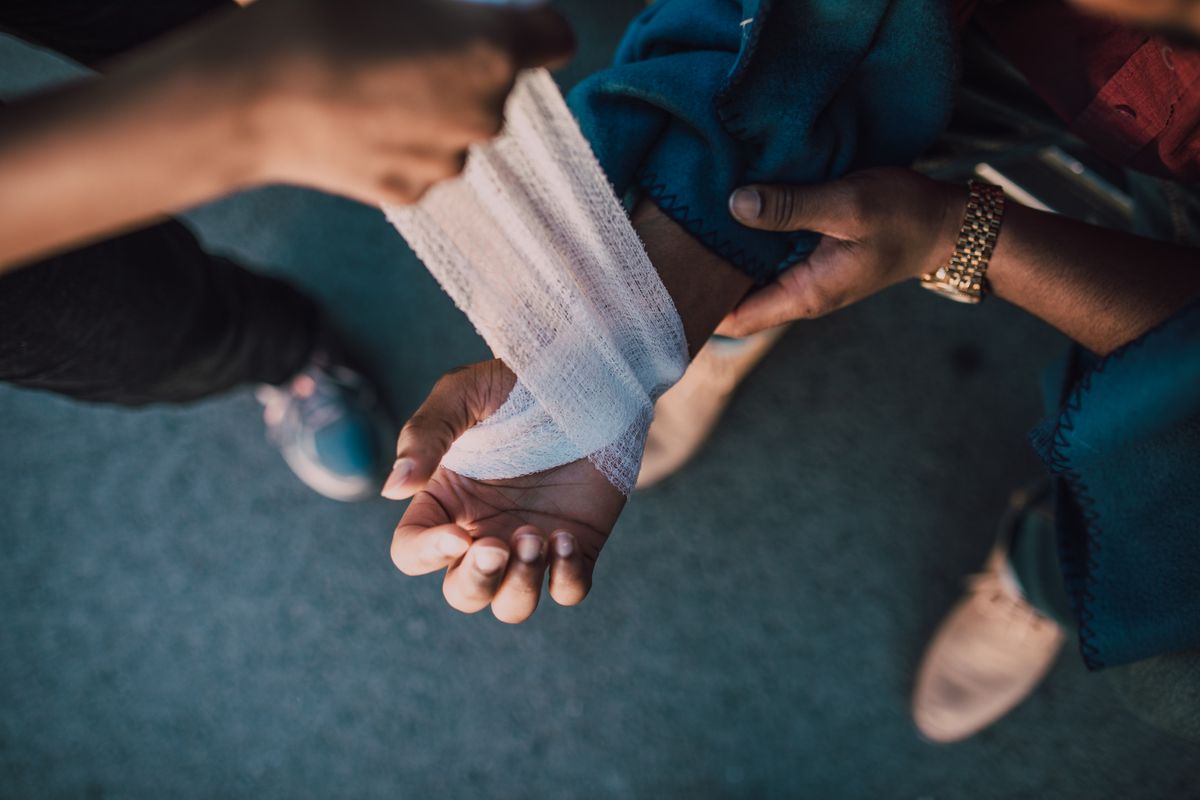
Why rinsing is a first-aid step
A scrape can look worse than it is because of the grit around it. Once bleeding is controlled, rinsing a small, shallow cut or scrape helps lift dirt from the surface. Ready-to-use sterile saline is one way to do that. The value is in flushing debris away. Rinsing also gives you a clearer view of the injury before you decide what to do next.
Deal with the bleeding first
For a minor cut, MedlinePlus advises applying pressure with a clean cloth or bandage to stop bleeding. Once bleeding is controlled, you can rinse the area with clean water. If you use a sterile saline wound rinse, check that the packaging is intact and follow the product's directions. Steralis Labs lists irrigation of small scrapes and cuts in its 0.9% instructions and directs users to discard each ampoule after opening.
Pick a format that fits the job
A single-use vial can be handy when you want a sealed amount for a small area. A wider scrape may call for more liquid than a small vial holds, and clean running water is an option for many minor cuts. Check what you have before opening it. For a home first-aid kit, a working supply of clean dressings and an accessible clean water source are useful alongside any packaged rinse.
If you see material that seems embedded or if the cut is too deep to assess, seek medical advice. Digging for grit with whatever tool is handy can make the injury harder to care for. The next page covers what to check after a rinse and what to tell another caregiver.
Sources and instructions
AI-assisted editorial article published by Steralis Labs, which sells saline products.